Hedge Trimming in Kingston

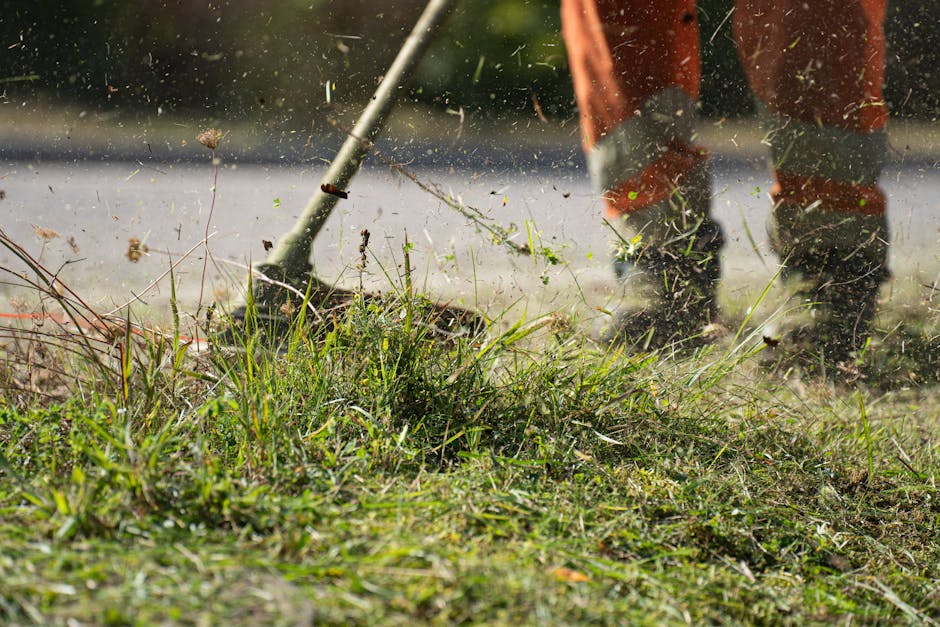
Our hedge trimming service in Kingston is built around neat, healthy results for gardens, boundaries and planted screens that need careful shaping. We work on established hedges and newer growth alike, focusing on even lines, controlled reduction and a tidy finish that suits the character of each property. If your hedge has become unruly, uneven or simply overdue for attention, the aim is to restore definition without stripping away too much of the living framework.
We handle routine maintenance cuts, seasonal reshaping and selective trimming for hedges that need more than a quick pass with a machine. That can include work on formal front boundaries, privacy hedges, mixed garden edges and taller sections where access and finish both matter. Healthy trimming is not only about appearance; it also supports denser growth and helps keep the hedge easier to maintain over time.
If you already know the sort of result you want, you can request a quotation and we will help shape the right approach. If you are comparing options, it can also help to look at the wider services overview before choosing the most suitable garden work for your space.
Careful hedge work for tidy edges and balanced growth
Good hedge trimming starts with understanding the plant type, the current shape and the level of reduction that is sensible for the season. Some hedges only need a light tidy to keep their outline sharp, while others benefit from more considered cutting to bring the top and sides back under control. We work with that difference in mind, keeping the result practical as well as attractive so the hedge still performs its role in the garden.
For many customers, the main aim is to keep the hedge looking intentional rather than patchy. That means paying attention to the top line, checking the side faces and avoiding a finish that leaves one section visibly heavier than another. We also take care with overgrown growth near paths, drives and entrances, where the hedge can begin to narrow access or make the boundary feel less open than it should.
When a hedge needs more than a quick trim
Some hedges can be brought back into shape in a single visit, but others need a more measured approach. A hedge that has gone beyond its normal outline may need staged trimming so that too much green growth is not removed at once. In those cases, the right work is often a controlled reduction followed by ongoing maintenance, rather than a severe cut that leaves the hedge sparse or stressed.
Hedge trimming for front gardens, back gardens and boundaries

Different parts of a property often need different finishing standards. Front garden hedges usually call for a crisp, welcoming appearance, while back garden hedges may be more about privacy, shelter and keeping growth in proportion with paths, patios and lawn edges. Boundary hedges can also need attention on both sides, especially where overgrowth affects neighbouring space or starts to interfere with fencing and gates.
We can trim hedges that are part of a larger garden maintenance schedule or handle them as a standalone job when the hedge is the main feature that needs attention. Garden maintenance can be a useful option when the hedge sits alongside borders, lawn care or general seasonal tidying, while a dedicated trimming visit suits properties where the hedge itself is the priority.
For customers with multiple hedges, it is often worth deciding which ones need a light shape-up and which need a more substantial cut. That distinction helps avoid unnecessary work and makes it easier to plan the right level of finish across the whole garden. Clear priorities also make the final quotation more focused and easier to understand.
Managing height, width and access with sensible trimming
Hedges grow in three directions at once, so the real challenge is usually not just cutting them shorter. Height can affect light and privacy, width can reduce usable space, and access can become awkward when branches spread across paths or over boundaries. Our work is aimed at restoring practical dimensions, with trimming that keeps the hedge functional without leaving it looking harsh or overworked.
Where hedges have grown too wide, a careful side reduction can open up the garden again and make day-to-day movement easier. Where height is the main issue, the top may need to be lowered gradually so the hedge retains its shape and does not look flattened. In both cases, the key is balance: a hedge should fit the plot rather than dominate it.
If you are arranging hedge trimming for a property that also needs other garden work, it can be useful to compare it with lawn mowing or garden clearance. Those services may suit gardens where the hedge is one part of a broader tidy-up rather than the only task that needs attention.
What influences the quotation for hedge trimming

Quotation details for hedge trimming usually depend on a few straightforward factors: the length of the hedge, its height, how much growth needs removing and how accessible the work area is. Hedges with thick, uneven or especially dense growth can take longer to bring into shape than those that are already fairly regular. A hedge close to walls, sheds or planting beds may also require more careful handling to achieve a clean result.
It also helps to note whether the hedge is part of an ongoing maintenance plan or has been left for a longer period without cutting. That can influence the amount of work needed and whether a single tidy-up is enough or a more measured return to shape is the better option. If you are uncertain, you can still ask for a quotation and explain the hedge in plain terms; clear information is usually enough to identify the likely scope.
For larger gardens, combining hedge work with broader outdoor improvements may be sensible. Landscape gardening and landscaping can be relevant where the hedge sits within a wider redesign, although the hedge itself should still be judged on its own condition and the finish it needs.
Useful service choices for different hedge types
Not every hedge is trimmed in exactly the same way. Formal hedges often need sharper lines and repeat maintenance, while informal or mixed hedges may need a gentler outline that keeps their natural shape. Evergreen hedges can become dense and heavy if neglected, whereas deciduous hedges often need attention that respects their seasonal pattern of growth. The method should suit the hedge type rather than forcing every plant into the same form.
Below are some practical choices that often help customers decide what they need:
- Light shaping for hedges that only need the edges neatened.
- Routine maintenance trimming to keep growth regular through the year.
- Reduction work for hedges that have become too high or wide.
- Boundary trimming where access and appearance both matter.
- Combination visits when hedges sit alongside other garden tasks.
These choices are most useful when the hedge is assessed as part of the garden’s overall layout. A narrow side return, a formal front boundary and a screening hedge at the rear may all need different approaches, even if they are on the same property. The right level of trimming keeps the hedge in proportion with fences, lawns and planting, which is often the difference between a quick tidy and a finish that genuinely improves the space.
About Kingston
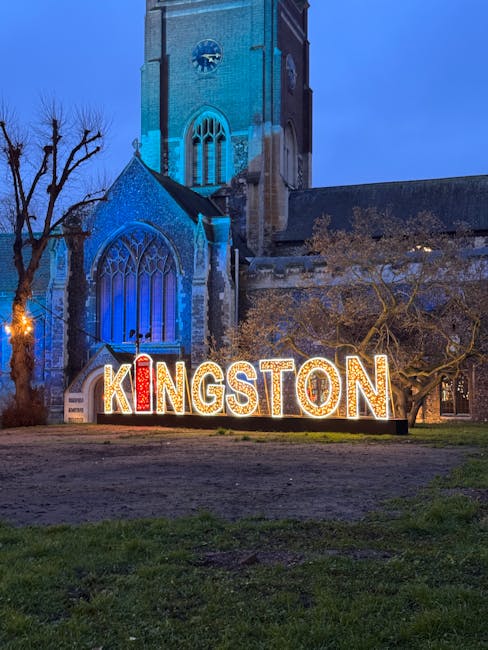
Kingston upon Thames is a historic town in southwest London, set on the River Thames and long associated with the river crossing that made it an important settlement route through the centuries. Its town centre combines the busy commercial streets around Clarence Street and the Bentall Centre with older civic and ecclesiastical landmarks, including the Ancient Market Place and the Guildhall. The area’s history is visible in the changing layers of architecture, from Georgian and Victorian buildings to later retail and residential development, while the river frontage remains a major part of its identity. Kingston Bridge links the town with the south bank and offers one of the clearest views of the Thames in this part of London, while nearby Canbury Gardens gives open riverside green space close to the centre. The town also has a strong cultural life, with Rose Theatre Kingston providing a well-known performance venue and the annual Kingston Carnival reflecting local community activity. Education, shopping and transport connections have all helped shape Kingston into a place that feels both historic and active, with a mix of waterways, parks, streets and modern amenities that continue to define how it is experienced today.
Practical hedge trimming for busy households and managed gardens
Many gardens need hedge trimming at the same time as other regular outdoor care, especially where a property is used frequently and visible from the street. In those cases, the priority is often consistency: keeping the hedge neat enough that it does not begin to crowd the space, obscure sightlines or spill over into walkways. We approach the work so that it fits with the garden’s existing shape, rather than trying to impose a one-size-fits-all look.
Where a hedge forms part of a managed outdoor space, the schedule may be more important than any single cut. Some customers want the hedge maintained at the same size through the season, while others prefer a slightly fuller look with less frequent trimming. Both can work well if the hedge is cut at an appropriate level and with enough care to avoid rough or uneven patches. If you are unsure which pattern suits your garden, we can discuss the hedge’s current condition and the finish you want before pricing the work.
For gardens that also need tree work, it may be sensible to compare hedge trimming with tree lopping and removal. That is particularly relevant when a hedge is being shaded or encroached upon by nearby trees and the overall garden shape needs to be considered together.
Keeping trimmed hedges healthy and attractive
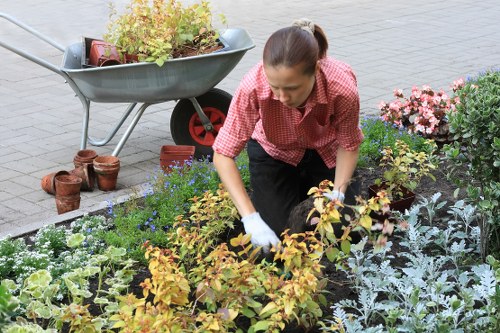
Well-timed trimming can make a significant difference to how a hedge grows after cutting. A clean, even finish helps the hedge maintain shape, while careless cutting can leave it lopsided or thin in places. We aim to trim in a way that supports the hedge’s continued growth, taking care not to remove more than is useful for the plant’s health or the customer’s preferred appearance. That is especially important with hedges that form a major visual edge in the garden.
There are also practical limits to what should be done in one visit. A hedge that has been ignored for some time may need staged work so it can recover well and keep enough foliage for cover. In those situations, a measured approach is often better than forcing an immediate dramatic reduction. The right decision depends on the hedge, the season and how the garden is used, which is why a brief description of the hedge can be more valuable than a generic request.
Where trimming is part of a wider outdoor refresh, it may sit well alongside decking services if the hedge borders a seating area or a timber feature. The aim is always a coherent result: outdoor elements that sit together neatly, rather than each one competing for attention.
When to request a quotation for hedge trimming
A quotation is most helpful when the hedge has a clear purpose in the garden and you want that purpose preserved or improved. If you are maintaining a privacy screen, shaping a decorative boundary or recovering an overgrown hedge, a focused estimate can help you decide how to proceed. The clearer the description of the hedge’s size and condition, the easier it is to suggest the most appropriate level of trimming.
It can also be useful to mention any access considerations, such as narrow side passages, uneven ground or sections that sit close to planting beds. That does not need to be a long explanation; a few practical details usually give enough context for an accurate response. If you would like to compare hedge trimming with a broader garden package, pricing and quotes is a sensible place to review before you request the work.
Ready to move ahead? Send your details and request a quotation for hedge trimming in Kingston today.
Supporting work that often goes alongside hedge trimming

Hedge trimming is often most effective when the surrounding garden is also in reasonable order. A hedge can look sharper when lawn edges are neat, weeds are reduced and nearby planting is not crowding into the same space. That does not mean every garden needs a full overhaul, but it does show why hedge work is sometimes best considered alongside a few related tasks rather than in isolation. The aim is a finish that looks deliberate from every angle.
We can also discuss hedge trimming in relation to garden upkeep that keeps growth manageable across the season. If your hedge sits beside borders that are becoming difficult to maintain, or next to an area where waste and clippings need a proper clear-out, it may be worth thinking about the job as part of a wider tidy. For some properties, the simplest route is a neat cut now, then a maintenance plan later if the hedge needs regular attention.
For a full enquiry, use the main contact route and request a quotation once you are ready. If you want to learn more about the business first, the about us and contact us pages are available, but the most direct step is to ask for the hedge trimming quotation you need.