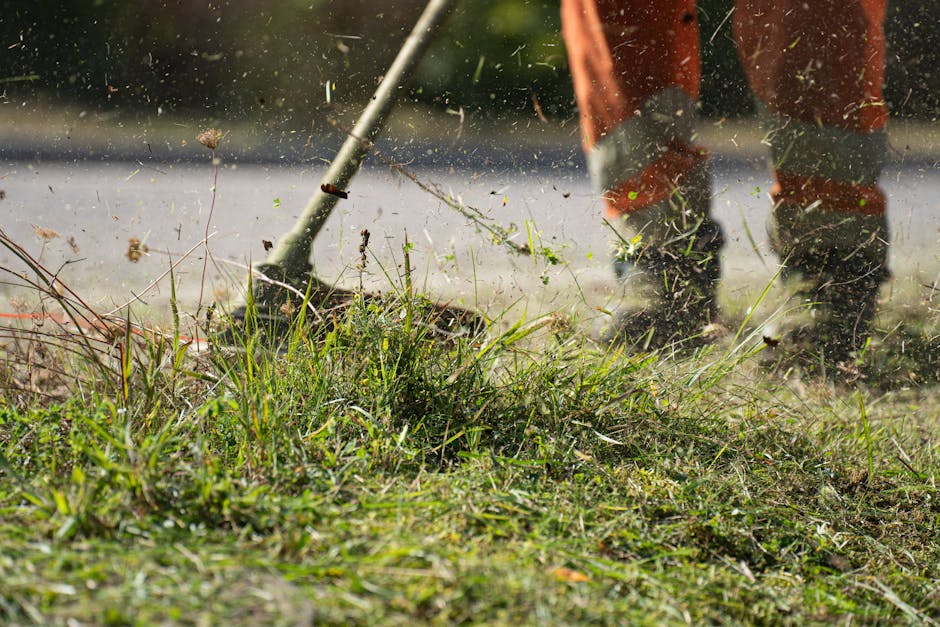
Kingston gardeners Canbury Gardens insider lawn care tips
If you want a lawn that looks good beside the river, holds up after damp spells, and still feels soft underfoot in the first warm stretch of spring, you need more than generic advice. You need Kingston gardeners Canbury Gardens insider lawn care tips that reflect the way grass actually behaves in this part of South West London. Canbury Gardens has its own rhythm: shaded pockets, foot traffic, clay-leaning soil in places, and those frustrating weather swings that can turn a tidy lawn patchy in no time. Truth be told, that's where local knowledge matters most.
This guide breaks down what experienced Kingston gardeners tend to notice first, what they do differently, and how you can apply the same thinking at home. We'll cover seasonal timing, mowing height, feeding, scarifying, aeration, overseeding, and the small mistakes that quietly undo good work. If you're deciding whether to tackle the lawn yourself or bring in help, this will also give you a proper sense of what good maintenance looks like, and what a professional should be able to explain clearly.
For readers looking to keep their broader garden in shape as well, it can help to understand the local approach to garden maintenance in Kingston, especially when lawn care needs to fit around borders, hedges, and patio areas. A healthy lawn is rarely a standalone job. It usually sits inside a bigger plan.
Table of Contents
- Why Kingston gardeners Canbury Gardens insider lawn care tips Matters
- How Kingston gardeners Canbury Gardens insider lawn care tips Works
- Key Benefits and Practical Advantages
- Who This Is For and When It Makes Sense
- Step-by-Step Guidance
- Expert Tips for Better Results
- Common Mistakes to Avoid
- Tools, Resources and Recommendations
- Law, Compliance, Standards, or Best Practice
- Options, Methods, or Comparison Table
- Case Study or Real-World Example
- Practical Checklist
- Conclusion
- Frequently Asked Questions
Why Kingston gardeners Canbury Gardens insider lawn care tips Matters
Lawns in and around Canbury Gardens are not all managed in the same way, and that's the point. A lawn that sits in partial shade near mature trees will need a different routine from one that gets uninterrupted sun. Add in local footpaths, weekend use, family activity, dog traffic, and the sort of weather Kingston gets most years, and you get a surface that needs thoughtful, regular attention rather than occasional rescue work.
The real value of local lawn care tips is that they respond to conditions you can actually see outside your door. For example, if morning dew hangs around longer in one part of the garden, that area is more prone to moss and fungal pressure. If one edge borders a hedge or fence, the grass there may thin out simply because it never gets enough light. Small things, but they add up.
Insider knowledge also helps you avoid waste. No point over-feeding a lawn that is already stressed by shade. No point scarifying hard in late summer if the turf is thin and the soil is dry. That kind of overcorrection is common, and it's usually why people say their lawn "never seems to recover". It can, by the way. You just need the right sequence.
If you're comparing general garden help with a more specialist lawn service, a useful starting point is to look at professional lawn care services and see what should be included in a proper programme. Good providers usually talk about soil condition, grass type, seasonal timing, and whether the lawn is being maintained or repaired. That's the level of detail to listen for.
How Kingston gardeners Canbury Gardens insider lawn care tips Works
Good lawn care is less about one dramatic fix and more about a steady cycle of observation, adjustment, and recovery. That's especially true in Kingston, where mild winters can tempt people to start too early and wet springs can make the ground feel ready when it really isn't. A local approach works because it follows the lawn's real condition, not the calendar alone.
Here's the basic pattern most experienced gardeners follow:
- Assess the lawn properly. Look at colour, density, drainage, weeds, moss, thatch, bare patches, and how quickly the surface dries after rain.
- Set the mowing plan. Choose a height that protects the roots and suits the season. Short isn't always neat. Sometimes it's just stressed.
- Feed and water with purpose. Use fertiliser only when the grass can absorb it well, and water deeply rather than constantly sprinkling the surface.
- Reduce compaction. Aeration helps air, water, and nutrients move into the root zone.
- Repair weak areas. Overseed where turf has thinned and treat the causes, not just the symptoms.
To be fair, a lot of lawn problems start with compaction and shade, not lack of effort. People mow, feed, and still wonder why the grass looks tired. Often the soil is packed down from years of use, or tree roots are competing for moisture. That is the bit many quick-fix guides skip.
Local pros also tend to think in micro-zones. One garden may have a sunny rear section, a shaded side strip, and a damp front patch all behaving differently. That's normal. The trick is not to treat the whole lawn as if it were one uniform surface. It isn't.
Key Benefits and Practical Advantages
When lawn care is done with local conditions in mind, the benefits show up in small but noticeable ways. The grass feels springier underfoot. It recovers faster after rain or family use. Edges look cleaner. Bare patches stop spreading. You may not shout about it over the fence, but you notice it every time you step outside.
- Better resilience: Well-managed grass copes more easily with foot traffic, dry spells, and the odd winter lull.
- Fewer persistent weeds: Dense, healthy turf leaves less room for opportunistic growth.
- Less moss build-up: Improved light, drainage, and mowing practices reduce the conditions moss likes.
- More even appearance: A consistent mowing and feeding plan creates a smoother look across the lawn.
- Long-term savings: Preventative care often costs less than repeated patch repair and full lawn renovation.
There's also a practical lifestyle benefit. A decent lawn can change how you use the whole garden. It becomes a place for children to kick a ball, for a chair and coffee in the morning sun, or for a dog to stretch out without the surface turning into a mud battlefield after one wet weekend. Small thing? Maybe. But it matters.
If your garden is part of a larger outdoor project, it may be worth looking at related support such as hedge trimming and weed control. Trees, hedges, and borders all influence lawn health more than people realise. Shade, dropped leaves, and creeping roots can quietly change the whole picture.
Who This Is For and When It Makes Sense
This approach suits homeowners, landlords, busy families, and anyone responsible for a garden that needs to look respectable without becoming a second job. It also makes sense if you have a lawn that has slowly declined over a few seasons and you're not sure why. That's a common story, honestly. The lawn doesn't fail all at once. It just gets a bit less itself each year.
You may especially benefit from local lawn care guidance if:
- your lawn is shaded by mature trees or tall neighbouring planting
- you've noticed moss, worm casts, or persistent damp areas
- the grass looks thin after summer use
- you want a neater finish before hosting or selling
- you are balancing lawn care with broader garden upkeep
It also makes sense when you want to decide whether to book help in one-off bursts or on a regular maintenance basis. Some gardens need a full seasonal reset in spring and autumn, then lighter care between. Others are happier with simpler routines and periodic professional attention. There's no prize for doing more than the lawn needs.
Step-by-Step Guidance
Below is a practical, no-nonsense sequence that reflects how experienced Kingston gardeners tend to approach lawns around Canbury Gardens and similar local streets.
1. Start with a proper inspection
Walk the lawn slowly and look from more than one angle. Morning light is useful because shadows reveal dips, thin areas, and colour changes. Check for:
- brown patches or scalping marks
- moss in damp or shaded sections
- bare soil along paths or play zones
- springs of grass that bend rather than stand upright, which can suggest compaction
- edges where roots, paving, or fencing are affecting growth
A quick glance is not enough. You need a slow look. Sometimes the problem is obvious only when the sun hits the turf at a shallow angle.
2. Mow at the right height
Don't chop the lawn too short just because it looks tidy for a day. Cutting too much leaf at once can stress the grass, reduce root strength, and encourage weeds and moss. In changeable British weather, a slightly higher cut is often safer, especially after dry or cold spells. A common rule of thumb is to remove no more than a third of the grass blade in one mow.
If the lawn is already weak, raise the height and give it time. Short-term neatness can be expensive in recovery time. Not worth it.
3. Handle clippings with judgement
Light clippings can be left if they are finely cut and the lawn is healthy. But if the grass is damp, long, or patchy, collect them. Heavy clippings can smother weaker areas and create a messy surface that looks worse a few hours later, especially in humid weather. A mower bag may feel like extra work, yet it often saves trouble.
4. Feed only when the lawn can use it
Feeding is useful, but timing matters. Spring feed supports growth after winter. Autumn feed typically helps root strength and resilience. What you don't want is to push soft top growth at the wrong moment and leave the lawn vulnerable. Slow-release lawn feed is often the calmer, steadier option for domestic gardens. If in doubt, be conservative.
5. Aerate compacted areas
Aeration means making small holes so air, water, and nutrients can reach the roots. It is especially helpful where the lawn gets regular use or where clay-rich soil holds water. A garden fork can work on smaller areas, but a hollow-tine aerator is more effective on compacted lawns. After aeration, the surface usually looks a bit rough. That is normal. Briefly ugly, then better. A lot of good garden work is like that.
6. Overseed thin patches
Where the grass has thinned out, overseeding helps restore density. Use grass seed suited to the conditions, not just whatever is cheapest in the shed. Shade-tolerant seed is useful for darker corners, while hard-wearing seed is better for family lawns. Rake the surface lightly, sow evenly, and keep the seed moist until it germinates.
7. Water deeply, not constantly
Frequent light watering encourages shallow roots. Deeper, less frequent watering is generally better, especially in warmer periods. Early morning is usually the sensible time if you need to water. It reduces evaporation and gives the grass time to dry. If you water late in the evening and the lawn stays damp all night, you can create avoidable problems. Simple but true.
8. Rethink edges and borders
Edges often show stress first. They dry faster, get trimmed badly, or suffer from foot traffic. Keeping the margins tidy and gently fed can make the whole lawn look better. This is also where a bit of coordination with border planting matters. Roots, mulch, and overhanging shrubs can all influence turf performance.
Expert Tips for Better Results
There are a few practical details that make a surprisingly big difference. They're not glamorous, but they're the sort of thing experienced gardeners notice straight away.
- Lift the mower blade when the weather turns dry. Taller grass shades the soil and helps it hold moisture.
- Keep mower blades sharp. Ragged cuts brown off at the tips and make the lawn look tired.
- Do less, more often. Regular maintenance usually beats one huge seasonal panic.
- Check drainage after heavy rain. Standing water is a clue, not just a nuisance.
- Use shade-aware thinking. If one part of the lawn struggles, don't force the same treatment on every section.
One thing locals often underestimate is leaf fall. In leafy parts of Kingston, a light layer of damp leaves can suffocate grass quickly. A tidy rake-through before the leaves get wet and compacted saves a lot of trouble later. You know the feeling when a layer of autumn debris sits there looking harmless and then, a week later, the grass underneath has gone pale? That.
If you want broader seasonal support, it can help to combine lawn care with garden clearance or seasonal garden maintenance. It keeps the work connected instead of treating the lawn like an island.
Common Mistakes to Avoid
The most common lawn mistakes are usually the least dramatic ones. They happen in small doses, then build up. Here's what to watch out for.
- Cutting too short: This weakens the lawn and invites weeds.
- Feeding without fixing the soil: Fertiliser won't solve compaction or poor drainage on its own.
- Ignoring shade: Grass in low light needs different treatment and sometimes a different seed mix.
- Overwatering: Too much water can be as unhelpful as too little.
- Scarifying at the wrong time: Hard raking during stress periods can leave the lawn looking worse before it gets better, and not in a useful way.
- Leaving moss unchecked: Moss is often a symptom. If you only remove the moss but not the cause, it comes back.
Also, don't fall into the trap of expecting instant transformation. Lawn recovery has a pace of its own. If you've inherited a tired patch, it may take a season or two of steady care to bring it back properly. That's normal. No need to panic at the first patch of yellow.
Tools, Resources and Recommendations
You do not need a garage full of specialist kit to maintain a healthy lawn, but a few reliable tools make life much easier. Good tools save time, and they also reduce accidental damage. That's not exciting, but it is true.
| Tool or resource | Best use | What to look for |
|---|---|---|
| Lawn mower | Regular cutting | Adjustable height, clean blade, suitable cutting width for your garden size |
| Spring-tine rake | Light thatch removal and leaf clearing | Flexible but firm tines that won't tear healthy turf |
| Garden fork or aerator | Relieving compaction | Strong build and enough length to work comfortably |
| Overseeding mix | Repairing thin patches | Seed matched to sun, shade, or hard-wearing use |
| Soil test kit | Checking pH and basic soil condition | Simple, reliable guidance rather than overcomplicated claims |
As a practical matter, if you are unsure whether your lawn needs renovation or routine care, speak to a local professional who can look at the site in person. A quick site visit often tells you more than a dozen online guides. If you need help beyond the lawn itself, browsing a broader landscaping service overview can also clarify how lawn work fits into the rest of the garden.
Law, Compliance, Standards, or Best Practice
For domestic lawns, there usually isn't a complicated compliance process, but there are still sensible best practices to follow. If a contractor is using machinery, fertilisers, or herbicides, they should work carefully and follow the product instructions and any relevant safety guidance. In the UK, professional garden services are generally expected to use equipment responsibly, protect neighbouring properties, and avoid unnecessary run-off or damage.
If weed treatment or moss control is being considered, it is wise to ask what is being applied, why, and whether non-chemical methods have already been considered. On a family garden or shared boundary, that conversation matters. Good practice is as much about judgement as it is about product choice.
It is also sensible to think about water use. During dry spells, watering should be used carefully and efficiently. Avoid waste, and avoid spraying hard surfaces more than the lawn itself. If your garden borders paths, patios, or communal access areas, keep them safe and clear during maintenance. Basic stuff, really, but the basics are where the good work starts.
If you're booking a service, ask whether the team can explain mowing height, feeding timing, and treatment choices in plain English. If they can't explain it simply, that is usually a sign to pause. Clear advice is a good sign. Fuzzy advice, not so much.
Options, Methods, or Comparison Table
Different lawns need different approaches. Here's a simple comparison of common methods so you can decide what suits your garden.
| Method | Best for | Pros | Trade-offs |
|---|---|---|---|
| Routine mowing only | Healthy, established lawns | Simple, low cost, easy to maintain | Won't fix compaction, moss, or thinning turf |
| Seasonal feed and weed approach | Lawns with moderate wear and mixed weeds | Improves colour and density | Needs correct timing and may not solve structural soil issues |
| Aeration plus overseeding | Compacted or patchy lawns | Targets root health and recovery | Looks rough before it looks better |
| Full lawn renovation | Severely tired or thin lawns | Best chance of meaningful reset | More time, more labour, and more patience needed |
In most Kingston gardens, the sweet spot is usually somewhere between routine mowing and seasonal renovation. You do not need to treat every lawn like a full rebuild. But if you keep seeing the same weak areas, a deeper repair plan is often the smarter choice.
Case Study or Real-World Example
Picture a typical Canbury-area back garden: a medium-sized lawn, a tree giving afternoon shade, a narrow side return that gets little air movement, and a family using the space most weekends. The grass near the tree goes thin first. Moss appears in the shadier strip. The centre gets a little compacted where children run the same route again and again. Nothing dramatic, just gradual decline.
A practical response would usually look like this:
- raise the mowing height slightly to reduce stress
- clear leaves and debris before they sit wet on the surface
- aerate the compacted centre and the damp side strip
- overseed the weaker areas with a suitable mix
- reduce feeding pressure in the shaded zone and keep the watering more targeted
After a few weeks, the lawn may still look uneven. That is fine. New grass does not appear on command. But over time, you would expect better density, less bare soil, and a more even colour. The key is treating each problem area as part of the same lawn, not as separate mysteries. Quite often that is where the breakthrough happens.
For gardens like this, a local service may also recommend combining lawn care with patio cleaning or driveway cleaning so debris and soil are not repeatedly dragged back on to the turf. It sounds small, but the garden feels cleaner overall when the hard surfaces are under control too.
Practical Checklist
Use this quick checklist before and during your lawn care routine. It keeps things simple when the weather, the garden, and your weekend plans all get slightly annoying at once.
- Check for shade, damp patches, and worn paths across the lawn
- Mow at the right height for the season
- Keep mower blades sharp and clean
- Remove heavy clippings if the lawn is wet or patchy
- Aerate compacted zones
- Overseed thin or bare areas with suitable grass seed
- Feed only when the lawn is actively growing and can use it
- Water deeply rather than lightly and constantly
- Clear leaves and debris regularly
- Watch the lawn for repeated problem spots after rain or heavy use
Expert summary: The best Kingston lawn care is steady, local, and slightly unglamorous. Match the treatment to the site, fix the soil as well as the surface, and give the grass time to respond. That's the winning formula, more or less.
Conclusion
The best Kingston gardeners Canbury Gardens insider lawn care tips are really a way of thinking: observe the lawn properly, respect the local conditions, and avoid the temptation to do everything at once. A good lawn in Kingston is rarely the result of one heroic weekend. It comes from small, sensible choices repeated through the seasons.
If your grass is patchy, shaded, compacted, or simply looking a bit tired, do not assume it is beyond help. Most lawns improve when the underlying causes are dealt with in the right order. Start with mowing height, soil condition, and light levels. Then build from there. The lawn usually tells you what it needs if you give it a moment to speak.
If you want help translating those signs into a proper plan, or you'd rather have an experienced local team handle the heavier work, now is a good time to compare options and get clear advice for your garden. A calmer, healthier lawn is often closer than it looks.
Get a free quote today and see how much you can save.
Sometimes the nicest gardens are the ones that feel quietly looked after, not forced. And honestly, that's a pretty good thing to aim for.
Frequently Asked Questions
What makes lawn care in Canbury Gardens different from other areas?
The main difference is the mix of shade, foot traffic, and local microclimates. Some lawns get more moisture or less light than others, so a one-size-fits-all routine rarely works well.
How often should I mow my lawn in Kingston?
It depends on growth rate, season, and weather. In peak growing periods, weekly mowing is common for many domestic lawns, but the key is to avoid removing too much grass at once.
Is scarifying always necessary?
No. Scarifying helps where thatch is a real problem, but it should not be done just because it is on a checklist. If the lawn is already stressed, harsh scarifying can make things worse before it makes them better.
What is the best time to feed a lawn in the UK?
Spring and autumn are usually the most useful times for domestic lawns, though the exact timing depends on weather and grass condition. Feeding should support growth, not force it during stress.
Why does moss keep coming back in my lawn?
Moss usually returns because the conditions that allowed it are still there, such as shade, dampness, compaction, or weak grass growth. Treating the cause is more effective than removing moss alone.
Can I improve a shady lawn without replacing it?
Yes, in many cases you can. Use shade-tolerant seed, raise the mowing height, reduce stress, and improve airflow where possible. Some very dark areas may still struggle, but many shaded lawns can be improved.
Do I need professional help for a patchy lawn?
Not always. Small patches can often be repaired with overseeding and better care. If the problem keeps returning, or the lawn is broadly tired, a professional assessment can save time and guesswork.
Should I water my lawn every day in summer?
Usually not. Frequent light watering is often less effective than deeper watering less often. The aim is to encourage roots to grow down, not stay near the surface.
What's the biggest mistake people make with lawn care?
Cutting the grass too short is one of the most common mistakes. It weakens the lawn, encourages weeds, and can make the soil dry out faster than it should.
How do I know if my lawn needs aeration?
If the ground feels hard, water pools after rain, or the lawn is suffering despite regular care, compaction may be part of the issue. Aeration is especially helpful in used areas and heavier soils.
Are chemical weed treatments always necessary?
No. Many lawns improve with better mowing, feeding, overseeding, and spot removal. If treatment is used, it should be chosen carefully and applied according to the product instructions and the needs of the site.
When should I call in a local gardener rather than doing it myself?
If the lawn has recurring bare patches, poor drainage, heavy moss, or you simply do not have the time to manage the seasonal work, calling in a local gardener makes sense. It's especially helpful when the lawn is part of a wider garden that needs coordinated care.