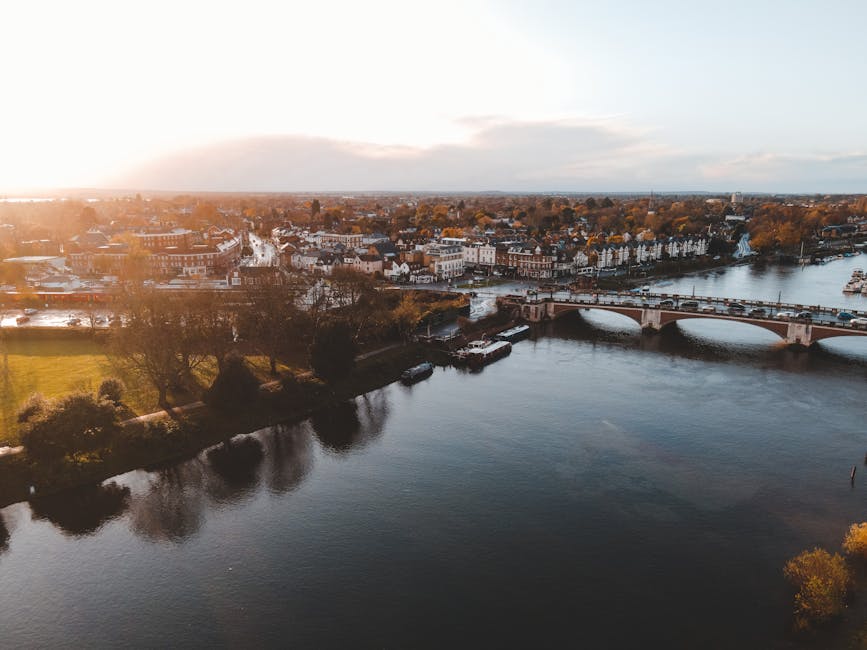
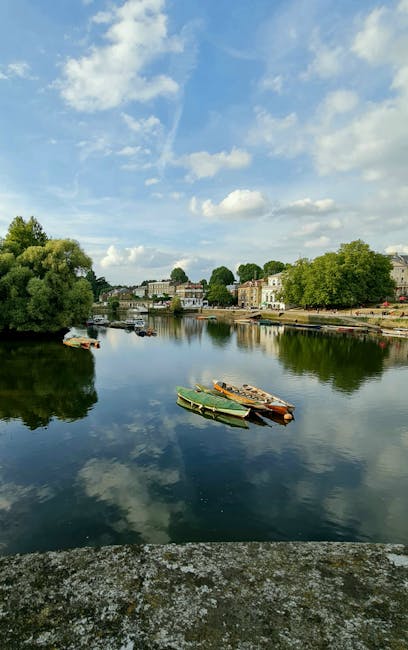
Kingston gardeners Kingston Bridge riverside planting tips: a practical guide for resilient planting by the water
If you are planning planting near Kingston Bridge, you already know the setting is a bit different. The riverside light is brighter, the wind can cut across open spaces, and the soil often behaves less predictably than a back garden tucked behind a terrace. That is exactly why Kingston gardeners Kingston Bridge riverside planting tips matter: not as a gimmick, but as a sensible way to choose plants that can handle exposure, occasional wet ground, and the everyday wear of a busy riverside location.
Done well, riverside planting can soften hard edges, frame views of the Thames, and make a space feel calm rather than overworked. Done badly, it can turn into a cycle of replacements, patchy growth, and a lot of extra maintenance. Lets face it, no one enjoys replanting the same bed three times because the wrong shrub was put in the wrong place.
In this guide, you will find practical advice on species selection, drainage, soil improvement, seasonal timing, maintenance, and the local factors that matter around Kingston Bridge. You will also see how to think through the work step by step, what to avoid, and when it makes sense to bring in a professional gardener or landscaping team. If you are also planning broader work in the area, you may find our garden maintenance services useful for keeping planting schemes healthy once they are established.
Table of Contents
- Why Kingston gardeners Kingston Bridge riverside planting tips matters
- How Kingston gardeners Kingston Bridge riverside planting tips works
- Key benefits and practical advantages
- Who this is for and when it makes sense
- Step-by-step guidance
- Expert tips for better results
- Common mistakes to avoid
- Tools, resources and recommendations
- Law, compliance, standards, or best practice
- Options, methods, or comparison table
- Case study or real-world example
- Practical checklist
- Conclusion
- Frequently asked questions
Why Kingston gardeners Kingston Bridge riverside planting tips Matters
Riverside planting is not just standard gardening with a better view. Around Kingston Bridge, the environment can shift quickly from sheltered to exposed. You may have reflected heat from paving, stronger gusts funnelled along the river, occasional flooding concerns, compacted soil from foot traffic, and salinity-like stress in some exposed spots from wind-driven spray and drying conditions. That combination affects plant survival far more than many people expect.
The right planting approach helps in three ways. First, it improves plant health. Second, it reduces maintenance because you are not constantly replacing weak specimens. Third, it makes the space feel intentional. A well-chosen riverside border can look graceful all year, even in winter when some plants have retreated into structure and texture rather than flowers.
There is also a practical design reason. River-facing spaces are often visible from several angles, including bridges, towpaths, terraces, and nearby paths. That means the planting has to work from a distance and up close. A little too much fuss, and it can look messy fast. A little too little structure, and it can disappear into the background.
Expert summary: The best riverside planting near Kingston Bridge is usually tough, layered, and low-drama. Focus on resilience first, beauty second, and you will usually get both.
If you want help keeping a planting scheme tidy once it is established, our routine lawn mowing and garden care page explains how regular upkeep can support the wider landscape, even when the planting itself is the main feature.
How Kingston gardeners Kingston Bridge riverside planting tips Works
The method is straightforward in principle, though a bit more nuanced in practice. Riverside planting works best when the design is based on the site, not the catalogue. That means reading light, wind, drainage, access, and soil first, then choosing plants that are genuinely suited to those conditions.
Start by looking at the microclimate. A bed close to the river may be brighter and breezier than one set back by a wall or hedge. A south-facing riverside edge can bake in summer, while a shaded stretch under mature trees may stay damp for longer. The same plant can thrive in one corner and sulk in another. That is normal. Truth be told, plants are less forgiving than people sometimes think.
Then think in layers:
- Structure: evergreen shrubs, grasses, and small trees that hold the scheme together.
- Seasonal interest: perennials and bulbs that bring flowers and texture across the year.
- Ground cover: lower plants that help suppress weeds and protect soil.
- Functional planting: species that stabilise soil, cope with moisture swings, or tolerate wind.
The best outcomes usually come from mixing form and function. For example, a patch of ornamental grasses can sway beautifully near the water while also coping well with exposed conditions. A hardy shrub layer can protect more delicate plants behind it. Small details like that make a scheme feel settled rather than forced.
If the area is part of a wider outdoor redesign, you may also want to look at our landscaping services for help with bed shaping, edging, drainage adjustments, and long-term layout planning.
Key Benefits and Practical Advantages
Riverside planting done properly offers more than just visual appeal. In a place like Kingston, where outdoor areas often have to look good in all seasons and stand up to regular use, the advantages are practical as well as aesthetic.
- Better plant survival: choosing species for the site means fewer losses and fewer replacements.
- Lower maintenance burden: robust planting needs less rescue work and less constant staking or pruning.
- Improved privacy and screening: layered planting can soften views, define boundaries, and create calmer spaces.
- Soil protection: ground cover and root systems help reduce erosion and surface compaction.
- Year-round visual structure: evergreens, grasses, and winter stems keep the garden looking purposeful when flowers fade.
- Better wildlife value: nectar plants, berries, and varied foliage can support birds, pollinators, and beneficial insects.
One often-overlooked benefit is emotional, if that is the right word. A thoughtful riverside border changes how a place feels at dusk or early morning. You hear the river, the traffic softens a little, and the planting gives the eye somewhere to rest. It sounds simple, but it matters.
For larger gardens or communal spaces, adding sturdy planting alongside tree care and pruning can also improve the light balance and reduce over-shading, which is a common issue near mature riverside trees.
Who This Is For and When It Makes Sense
This approach is useful for a wide range of property owners and managers around Kingston Bridge. It is not just for people with large gardens. In practice, it helps anyone dealing with a riverside or near-riverside planting area where conditions are a bit more exposed or changeable than average.
It makes sense if you are:
- a homeowner with a garden facing or near the Thames
- a landlord wanting durable planting that still looks attractive
- a business owner with a frontage or courtyard close to the river
- a managing agent looking after communal outdoor space
- a keen gardener who wants plants that will not constantly need babying
It is especially relevant if you have already noticed any of these signs:
- plants drying out quickly after windy days
- soil that feels heavy, sticky, or compacted
- patches where plants die back after wet spells
- uneven light caused by buildings, trees, or bridge-related structures
- beds that look tired because the original planting was too fussy or tender
A small riverside planting scheme can sometimes be rescued with a few smart replacements. A larger, repeated failure usually means the site needs a proper rethink. There is no shame in that. In fact, it is usually the sensible route.
Step-by-Step Guidance
If you are planning or improving planting near Kingston Bridge, work through the process in order. Skipping the site assessment is the classic mistake, and it costs time later. Every time.
1. Assess the site properly
Walk the space at different times of day if you can: morning, midday, and late afternoon. Notice where the sun lands, where wind gathers, and where water lingers after rain. If you are near the river, pay attention to exposed corners and places where foot traffic compacts the soil. You do not need specialist kit for this, just a good eye and a bit of patience.
2. Test and improve the soil
Riverside soils can vary more than people expect. Some are free-draining but dry out fast. Others hold too much water and become heavy. If the ground is poor, add organic matter gradually to improve structure, but do not assume one mulch layer will solve everything. Raised beds, edging, and targeted soil improvement can all help, depending on the site.
3. Choose plants for exposure first
Go for hardy, reliable species that suit wind, moisture swings, and local light levels. Good plant choices often include ornamental grasses, tough perennials, shrubs with strong stems, and some native species where appropriate. The point is not to be dull. The point is to be resilient and attractive.
4. Build layers and shelter
Use stronger structural plants as a kind of living framework. They can slow the wind slightly and make it easier for smaller plants to establish behind them. A border planted in neat rows can look tidy, but a layered scheme often performs better and feels more natural.
5. Plant at the right time
In many UK gardens, autumn and spring are the most practical planting windows, depending on the plant and the weather. Autumn planting can help roots establish while the soil is still warm, but spring may be better where winter waterlogging is a concern. The right answer depends on the specific site, and yes, a bit of judgement is needed.
6. Water, mulch, and check establishment
New plants need consistent watering until their roots are established, especially in exposed riverside settings. Mulch helps retain moisture and suppress weeds, but keep it clear of stems. After that, monitor the planting through the first season, then the second. That is when you catch issues before they become expensive.
7. Review and adjust
Not every plant will thrive exactly where planned. Move or replace struggling specimens rather than forcing the issue. A good gardener is not stubborn for the sake of it. They are responsive. Slightly annoying to perfectionists perhaps, but very effective.
Expert Tips for Better Results
Here is where the difference between a decent planting scheme and a really successful one starts to show. These are the details experienced Kingston gardeners often keep in mind, especially on exposed or high-visibility riverside plots.
- Use more repetition than variety: repeating a few reliable plants creates cohesion and helps the design read clearly from the bridge or towpath.
- Choose texture as well as colour: silvery leaves, upright grasses, and glossy evergreens hold visual interest even when flowers are sparse.
- Mind the edge conditions: the first one or two metres near a river-facing boundary can be the hardest place for plants to settle.
- Protect young plants from wind: temporary support or careful positioning behind hardier plants can make all the difference in the first season.
- Use mulch sensibly: it keeps moisture in, but too much piled around stems invites rot. A light hand is better.
- Think in three seasons, not one: if a planting scheme looks good only in June, it is probably underdeveloped.
A small practical tip that saves trouble: keep a simple note of what was planted where. A hand-drawn plan or phone photo is enough. Six months later, you will be glad you did. Gardening memory is notoriously optimistic.
For ongoing presentation and seasonal tidy-ups, our hedge trimming service can help maintain clean lines around borders and pathways without disturbing the main planting scheme.
Common Mistakes to Avoid
Riverside planting tends to fail in predictable ways, which is useful because it means most problems can be prevented. Here are the mistakes that come up again and again.
- Choosing plants for appearance only: a lovely-looking shrub in a catalogue may be a poor match for wind or wet soil.
- Ignoring drainage: if water has nowhere to go, roots struggle. Simple as that.
- Overcrowding the bed: planting too densely can create competition and make maintenance awkward later.
- Using thirsty plants in exposed sites: they may cope for a while, then suddenly decline after a hot, windy spell.
- Skipping establishment care: even tough plants need a proper start.
- Over-pruning: trimming too hard too early can weaken young planting and strip away the shape you actually wanted.
- Forgetting visibility: what looks balanced from a patio may look patchy from across the river.
The biggest issue, though, is usually impatience. A planting scheme near Kingston Bridge often looks a bit sparse at first. That is normal. Resist the urge to keep adding random plants just to fill gaps. Give the design time to settle, and adjust with intention rather than panic.
Tools, Resources and Recommendations
You do not need a van full of specialist gear to get started, but the right tools make the work cleaner and safer. For most riverside planting jobs, a practical kit is enough.
| Tool or resource | Why it helps | Best use |
|---|---|---|
| Spade and border fork | Good for digging, turning soil, and breaking compaction | Bed preparation and planting |
| Wheelbarrow or trug | Makes moving compost, mulch, and plants easier | Soil improvement and tidy planting |
| Watering can or hose with control nozzle | Supports new plants without flooding the bed | Establishment watering |
| Mulch | Helps retain moisture and reduce weeds | After planting and seasonal maintenance |
| Plant labels or a simple plan | Keeps records of what was planted where | Useful for future replacement or adjustment |
| Hand pruners | Allows precise, light pruning without damaging stems | Deadheading and light shaping |
For more involved projects, you may need help with soil movement, bed reshaping, or boundary work. If so, a garden clearance service can be useful before replanting, especially where old root systems, rubble, or compacted debris are getting in the way.
If you are unsure which plants are suitable, local nursery staff and experienced gardeners are often the best sounding board. They will usually know which plants tolerate wind, which ones resent wet feet, and which ones look great in theory but become high-maintenance in real life. Handy, that.
Law, Compliance, Standards, or Best Practice
For most domestic planting near Kingston Bridge, there is no special legal process just because the garden is by the river. That said, best practice matters. If the site is close to the riverbank, a public path, shared access route, or managed communal area, you should take care not to obstruct access, create trip hazards, or interfere with drainage and sightlines.
If you are working on a property with shared boundaries, leasehold obligations, or managed grounds, it is sensible to confirm permissions before making structural changes such as raised beds, permanent edging, or major soil works. In some cases, listed buildings, conservation considerations, or local estate rules may also affect what you can do. The details vary, so a careful check before work starts is usually the safest route.
General UK gardening best practice also applies:
- avoid damaging tree roots or underground services
- use plants suited to the site rather than forcing unsuitable species
- manage runoff responsibly if you are changing levels or drainage
- keep pathways clear and surfaces safe for regular use
- dispose of garden waste properly
If you are unsure about any boundary, access, or drainage issue, it is better to ask before digging. A quick check can prevent a long headache later.
Options, Methods, or Comparison Table
There is no single right way to plant a riverside garden. The best method depends on the site, budget, and how much upkeep you are willing to take on. Here is a simple comparison to help with planning.
| Approach | Best for | Pros | Trade-offs |
|---|---|---|---|
| Native-led planting | Wildlife value and natural feel | Often resilient, supports biodiversity, blends well near water | Can look less formal and may need careful design to avoid a messy finish |
| Ornamental low-maintenance planting | Clean, tidy, modern gardens | Strong structure, good year-round appearance, easier to maintain | May offer less wildlife benefit if species choice is narrow |
| Mixed planting | Most domestic riverside settings | Balances beauty, resilience, and seasonal interest | Needs thoughtful planning to avoid overcrowding |
| Raised-bed planting | Poor or waterlogged soil | Improves drainage and gives more control over growing conditions | More upfront work and ongoing watering in dry spells |
For many Kingston properties, mixed planting is the sweet spot. It gives enough structure to cope with the site, but still leaves room for seasonal colour and some personality. Not everything has to be bulletproof to be sensible.
Case Study or Real-World Example
Consider a typical riverside-facing garden near Kingston Bridge: a narrow bed along a paved edge, a few tired shrubs, and a patchy area where wind and reflected heat have left the soil dry on top but dense underneath. The owner wants the space to feel calmer, less bare, and easier to maintain.
A practical redesign might start with removing weak or poorly placed plants, then improving the soil structure with compost and careful cultivation. A small number of hardier shrubs would form the backbone, with ornamental grasses and reliable perennials filling the middle layer. Low ground cover would sit at the front to reduce weeds and protect the soil surface. A mulch finish would help retain moisture and tidy the look.
What usually changes most is not just the planting list, but the feel of the space. In the first year, the bed may still look a little open. By the second growing season, the structure starts to connect. By the third, the planting looks like it belongs there, which is really the goal. No drama. No frantic patching.
That kind of result is much more likely when the scheme is designed around the actual conditions rather than a wishlist of beautiful but fragile plants. A glossy picture is nice; a healthy border is better.
Practical Checklist
Use this before you start planting or when reviewing an existing riverside border. A quick checklist often catches the obvious problems before they become expensive ones.
- Have you checked sun, wind, and drainage in more than one part of the site?
- Are the plants suited to exposure and moisture swings?
- Have you improved the soil where needed?
- Is there enough spacing for mature growth?
- Have you chosen a mix of structure, texture, and seasonal colour?
- Will the scheme still look good in winter?
- Are pathways, steps, and access points left clear?
- Do you have a watering plan for the first season?
- Have you added mulch without burying stems?
- Have you noted what was planted where for future maintenance?
Quick takeaway: if the planting suits the site, maintenance becomes easier almost immediately. If it does not, you will be managing problems instead of enjoying the garden.
Conclusion
Riverside planting near Kingston Bridge works best when it is built on realism. Read the site carefully, choose hardy plants, improve the soil where you can, and give the scheme time to settle. That is the quiet formula. Not flashy, but effective.
Whether you are refreshing a small border, planning a full redesign, or trying to rescue a planting scheme that never quite took off, a thoughtful approach will save time and make the garden feel far more settled. And honestly, there is something satisfying about seeing a border hold its shape through wind, rain, and all the little seasonal shifts that come with a Thames-side setting.
If you would like help turning an exposed or difficult riverside area into something practical and good-looking, our local team can advise on planting, soil preparation, and ongoing care. Get in touch with us here to discuss your garden and the best next step.
Get a free quote today and see how much you can save.
With the right choices, a riverside garden does more than survive. It settles, softens, and becomes part of the place.
Frequently Asked Questions
What are the best plants for riverside gardens near Kingston Bridge?
The best plants are usually hardy, wind-tolerant, and suited to the moisture level of your site. Ornamental grasses, robust perennials, and dependable shrubs often work well, but the exact choice depends on sun, drainage, and exposure. A plant that loves one riverside corner may struggle in another just a few metres away.
Do riverside planting schemes need more maintenance?
They can, especially during establishment. Once the right plants are in place, maintenance often becomes easier because the scheme is more resilient. The main early jobs are watering, checking wind damage, and keeping weeds down until the planting beds in properly.
Can I use native plants in a Kingston riverside garden?
Yes, native plants can be an excellent choice, especially if you want wildlife value and a more natural look. The key is to select native species that suit the specific site conditions. Not every native plant is happy in exposed or very dry ground, so matching matters.
How do I improve soil near the river?
Start by checking whether the soil is too free-draining or too heavy. Add organic matter where needed, avoid overworking wet soil, and consider raised beds if drainage is poor. For some sites, simply improving the top layer is enough; others need a more thorough reset.
Is autumn or spring better for planting near Kingston Bridge?
Both can work. Autumn planting often helps roots establish while the soil is still warm, but spring may be safer if the ground tends to stay wet in winter. The best timing depends on the plant type and the exact conditions of the bed.
How do I protect new plants from wind?
Use sheltered placement where possible, plant in groups, and rely on stronger framework plants to give some protection to more delicate species. Temporary supports can help with taller plants. Avoid staking everything heavily unless it is genuinely needed.
What should I avoid planting in exposed riverside areas?
Very tender plants, thirsty species, and anything known to dislike wind or waterlogged roots are usually poor choices. If a plant needs constant pampering in a sheltered suburban border, it is probably not ideal near the river.
Do I need permission for planting near the river?
Ordinary planting on private land usually does not need special permission, but it is wise to check if the area has shared access, leasehold rules, conservation considerations, or boundary restrictions. If you are making structural changes, confirm things first.
How often should riverside planting be watered?
New planting usually needs regular watering through the first season, especially in exposed spots. After establishment, watering needs depend on weather, soil, and plant choice. A deep, less frequent watering approach is often better than little splashes every day.
What is the most common mistake people make with riverside gardens?
The most common mistake is choosing attractive but unsuitable plants. The second is underestimating exposure. A garden can look deceptively calm near the water, but wind and drying conditions can be tougher than they seem on a still day.
Can a professional gardener help with a small riverside border?
Absolutely. In fact, smaller borders often benefit most from expert planning because every plant has to earn its place. A professional can help with layout, soil improvement, plant selection, and maintenance planning, which is often where the real value lies.
How do I know if my riverside planting needs a redesign?
If plants repeatedly fail in the same areas, the border looks patchy year after year, or maintenance keeps becoming a rescue job, a redesign may be the sensible answer. Sometimes the issue is just one bad plant choice; sometimes the whole scheme needs a fresh plan. It happens.